Isaac Mertens Flux Footwear Founder Story: How a Zero-Drop Shoe Became a Mid-Eight-Figure Brand
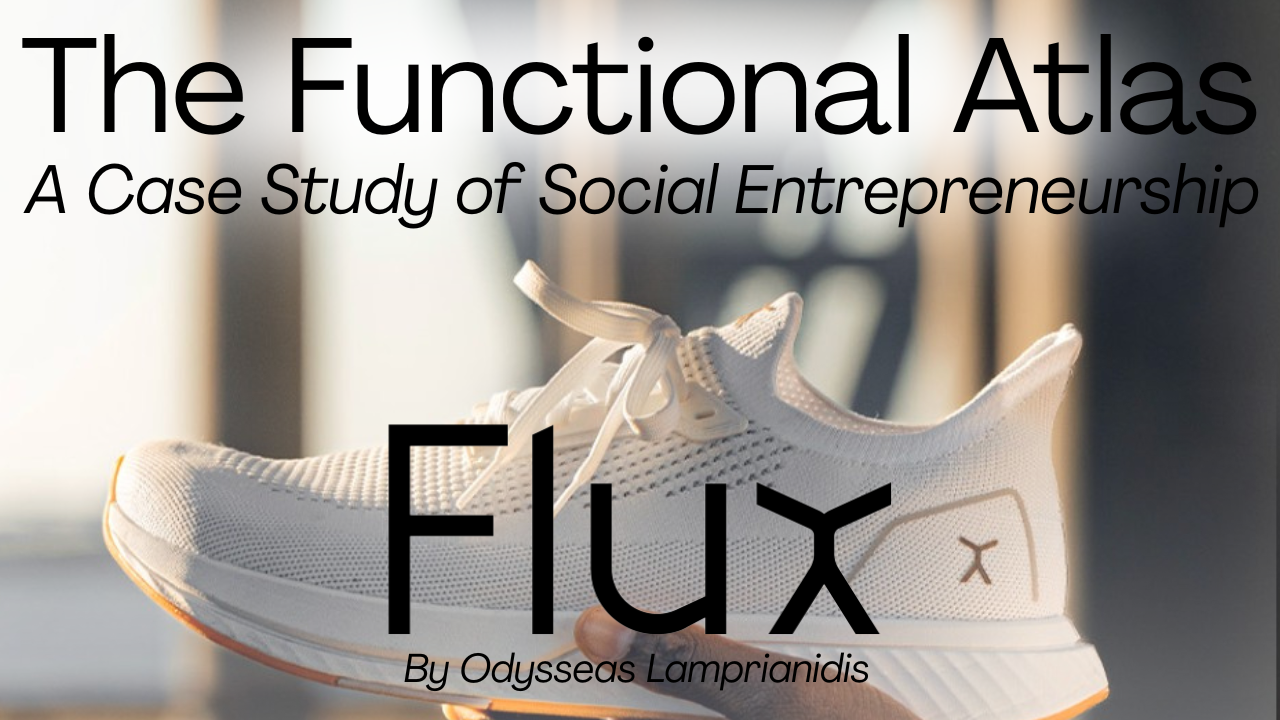
Isaac Mertens Flux Footwear Founder Story: How a Zero-Drop Shoe Became a Mid-Eight-Figure Brand
Your shoes might be working against your feet.
Most sneakers are built for looks, not biomechanics.
One founder decided to fix that.
His solution is reshaping how we think about footwear.
Here's the story behind it.
The 30-second answer: Flux Footwear is a minimalist shoe brand co-founded by Isaac Mertens that designs zero-drop, wide-toe-box shoes meant to let feet move and strengthen naturally instead of being restricted by traditional cushioned, narrow footwear. The brand combines sustainable materials—like recycled vegan knit—with an ergonomic design philosophy aimed at improving foot health, not just aesthetics. This article is an independent, informational overview and is not affiliated with, sponsored by, or endorsed by Flux Footwear.
The Problem With Conventional Shoes
Most mainstream sneakers are built around a narrow toe box and a raised heel. That combination looks sleek on a shelf, but it forces feet into a shape they weren't designed for.
Podiatric researchers have pointed out that narrow, rigid footwear can contribute to bunions, hammertoes, and weakened intrinsic foot muscles over time, according to the American Podiatric Medical Association. The Mayo Clinic similarly notes that footwear with poor fit and limited toe room is a common contributor to chronic foot pain in adults.
Elevated heels compound the issue. They shift body weight forward, alter natural gait mechanics, and can change how force travels up through the ankles, knees, and hips.
Minimalist and zero-drop shoe design emerged as a direct response to this problem. The idea is simple: let the foot sit flat and let the toes spread the way they would barefoot. Research published through the National Library of Medicine has explored how barefoot-style footwear can influence foot strength and muscle activation, lending some scientific weight to the minimalist shoe movement.
This is the exact gap Flux Footwear was built to fill.
Who Is Isaac Mertens
Isaac Mertens is the Co-Founder and CEO of Flux Footwear, but the brand wasn't his first venture. Before footwear, he co-founded Brandon Built, an Etsy-based rustic furniture business, and later Mongo Optics.
Mertens has described his approach to entrepreneurship less as "founder as inventor" and more as "founder as connector." In his own words, shared in a 2025 podcast interview, he framed it this way:
"What really gets me excited is creating a container for experts and specialists to do what they love."
That's the operating philosophy behind Flux Footwear's entire team structure.
That mindset shaped how Flux Footwear came together. Rather than trying to design shoes himself, Mertens partnered with people who already had the technical skill the product needed.
If you're early in your own founder journey, that instinct—building a team of specialists instead of trying to do everything yourself—is a pattern worth studying. It's one of the habits every first-time founder should build early, and it shows up again and again in profitable, lean startups.
What Makes Flux Footwear Different
Flux Footwear was co-founded in 2019 by Isaac Mertens, Benjamin Loschen, and footwear designer Zach Frey. Frey brought nearly a decade of design experience from Reebok and Puma, which gave the young brand real technical credibility from day one.
The core product decision was structural, not cosmetic. Flux Footwear shoes are:
- Zero-drop — no elevation difference between the heel and forefoot, so the foot sits level.
- Wide toe box — built to let toes splay naturally instead of being squeezed together.
- Flexible sole construction — engineered to stretch and move with the foot rather than resist it.
That last point is the detail that separates Flux from most "minimalist-looking" sneakers on the market. Plenty of shoes market themselves as natural or barefoot-inspired without actually changing the underlying mechanics.
Runner's World and other footwear-focused outlets have covered the broader shift toward zero-drop and wide-toe running shoes as part of a growing minimalist running category, according to Runner's World. Flux Footwear's positioning taps directly into that demand, targeting people who want performance benefits, not just a trend-driven aesthetic.
Sustainability Meets Ergonomics
Foot health wasn't the only mission baked into the product. Flux Footwear also builds with recycled, vegan knit materials, aligning the brand with the broader sustainable fashion movement.
The footwear industry has faced increasing scrutiny over its environmental footprint. According to reporting from Forbes, sustainable and circular-economy practices have become a growing expectation among younger consumers, not just a marketing bonus.
Pairing sustainable materials with ergonomic design is a smart positioning move for a few reasons:
- It appeals to two overlapping audiences — health-conscious buyers and environmentally-conscious buyers.
- It reduces long-term brand risk — sustainability claims are increasingly fact-checked by consumers and media.
- It differentiates from big-box competitors — most major athletic brands are still scaling sustainable material use slowly, per coverage from Harvard Business Review.
Foot health and recovery are closely linked, too. The way a shoe supports natural movement can influence recovery timelines after activity, a connection explored in the science of training recovery.
Social Entrepreneurship in Action
Flux Footwear is a useful case study in a broader trend: founders building profitable companies around a health or sustainability mission instead of pure aesthetics.
This is often called social entrepreneurship — building a business model where the mission and the profit motive are intertwined rather than in tension. The Stanford Social Innovation Review has written extensively about this model, noting that mission-driven companies increasingly outperform purely aesthetic-driven competitors on customer loyalty.
Flux Footwear fits the pattern closely:
- The mission (foot health + sustainability) is the actual product differentiator, not a marketing add-on.
- The founding team combined business operators (Mertens, Loschen) with deep technical expertise (Frey).
- The company scaled without losing its original design philosophy.
Community and peer support also played a quiet role in that growth. Founders who build within supportive entrepreneurial networks tend to sustain momentum longer, a pattern discussed in why community support predicts long-term success.
From Crowdfunding to Profitability
Flux Footwear's first real market test came through crowdfunding, and it validated the concept almost immediately. The company launched its debut shoe on Indiegogo in November 2020 with a $15,000 goal.
That goal was broken in two hours. By the end of the campaign, Flux Footwear had raised more than $50,000 in three days and became Indiegogo's number one trending campaign.
That kind of early validation is rare, and it signaled genuine product-market fit rather than hype. According to Entrepreneur, crowdfunding success at that speed is often one of the strongest early indicators that a niche direct-to-consumer brand can scale profitably.
Years later, that early momentum has turned into a real business. As of 2025, Flux Footwear operates as a lean, 17-person team generating mid-eight-figure revenue at a 15-20% profit margin, self-financed without heavy outside investment.
That combination — small team, high margin, self-funded growth — reflects a broader 2025 trend covered by Inc. of highly profitable, capital-efficient e-commerce brands outperforming larger, venture-backed competitors on a per-employee basis.
Example: The Indiegogo Launch That Started It All
In November 2020, Flux Footwear launched its first shoe on Indiegogo with a modest $15,000 goal. The campaign broke that goal in just two hours.
By the end of the three-day surge, the company had raised over $50,000 and became the platform's number one trending campaign. That early validation came from consumers responding to a simple idea: a shoe engineered by a former Reebok and Puma designer to stretch and splay like a real human foot, rather than confine it.
"A shoe should stretch and splay like a real human foot, not confine it."
That single design principle is what turned a crowdfunding campaign into a mid-eight-figure company.
Years later, the company has grown into a lean, 17-person, mid-eight-figure operation. It's a clear example of how a mission-driven product built around foot health and sustainable materials can also become a lasting, profitable business — not just a well-intentioned idea that stays small.
Frequently Asked Questions
What is Flux Footwear known for?
Flux Footwear is known for designing zero-drop, wide-toe-box minimalist shoes made with sustainable materials like recycled vegan knit. The brand's goal is supporting natural foot movement and long-term foot strength rather than following traditional cushioned shoe design.
Who is Isaac Mertens?
Isaac Mertens is the Co-Founder and CEO of Flux Footwear, a footwear company. Before Flux, he co-founded several other ventures, including Brandon Built and Mongo Optics, and has described his entrepreneurial approach as creating space for skilled specialists to do their best work.
What are zero-drop shoes and why do they matter?
Zero-drop shoes have no height difference between the heel and forefoot, allowing the foot to sit in a more natural, level position. Combined with a wide toe box, this design is intended to let toes splay naturally, which can support better balance, posture, and foot muscle engagement compared to traditional elevated-heel shoes.
Is Flux Footwear a sustainable company?
Flux Footwear incorporates sustainable practices such as recycled vegan knit uppers into its shoe designs. This positions the brand within a growing category of footwear companies that aim to reduce environmental impact while also prioritizing foot health and ergonomic design.
How did Flux Footwear get started?
Flux Footwear was co-founded in 2019 by Isaac Mertens, Benjamin Loschen, and footwear designer Zach Frey. The company gained early traction through a November 2020 Indiegogo campaign that broke its funding goal within two hours and became the platform's top trending campaign, raising over $50,000 in three days.
Key Takeaways
- Traditional shoes with narrow toe boxes and elevated heels can restrict natural foot movement and, over time, weaken foot muscles.
- Flux Footwear's zero-drop, wide-toe-box design is engineered to let feet move and function more naturally, potentially supporting better foot strength.
- The brand pairs ergonomic design with sustainability, using recycled vegan knit materials as part of its manufacturing approach.
- Isaac Mertens' path — from earlier ventures like Brandon Built and Mongo Optics to co-founding Flux Footwear — reflects a broader story of social entrepreneurship in the fashion and footwear space.
- Flux Footwear's growth from a crowdfunded startup to a profitable, mid-eight-figure company shows that mission-driven, health-conscious product design can also build a sustainable business.
What to Do Next
Take a closer look at how your everyday shoes might be shaping your foot health before your next purchase. Check the toe box, check the heel drop, and ask whether your shoes are helping your feet or working against them.
If you found this founder story useful, follow along for more breakdowns of entrepreneurs building mission-driven brands. Follow @atlasnetwork.club on Instagram to get founder stories, entrepreneurship breakdowns, and brand deep-dives delivered straight to your feed.